

HVAC Installer Jobs: Salary, Skills & How to Get Hired

HVAC installer jobs are continuously in high demand.
They are also a strong entry point into commercial HVAC installer roles, which typically offer higher pay and larger projects. These include office buildings, hospitals, warehouses, and retail centres, all of which require precise installation work and skilled professionals.
In this article, you will learn everything about HVAC installer jobs, including required skills, salary expectations, and how to secure commercial roles in your area.
What actually are HVAC installer jobs?
HVAC installer jobs involve setting up heating, ventilation, and air conditioning systems in new or existing buildings. Installers are responsible for ensuring systems are correctly fitted, connected, and operational.
Residential roles focus on homes and smaller systems and are often the starting point for many in the trade.
Commercial installer roles involve larger and more complex systems used in offices, malls, healthcare facilities, and educational institutions.
These projects require collaboration with engineers, contractors, and project managers, as well as working with fully integrated systems rather than standalone units.
HVAC is a great industry to be in. Learn more about the different roles and where your career can take you in our detailed article.
What does a commercial HVAC installer do?
Commercial HVAC installer jobs go beyond basic installation work.
On large projects, you may coordinate with multiple teams to ensure systems are installed correctly and meet project requirements.
You will often work alongside electricians, plumbers, and general contractors, requiring strong communication and the ability to follow complex schedules.
Plans and system requirements may change during a project, requiring flexibility and problem-solving on site.
Commercial systems often include advanced technologies such as variable refrigerant flow (VRF) systems and building automation systems. Gaining experience with these can significantly increase your value in the job market.
Why the demand for commercial HVAC installer jobs is growing
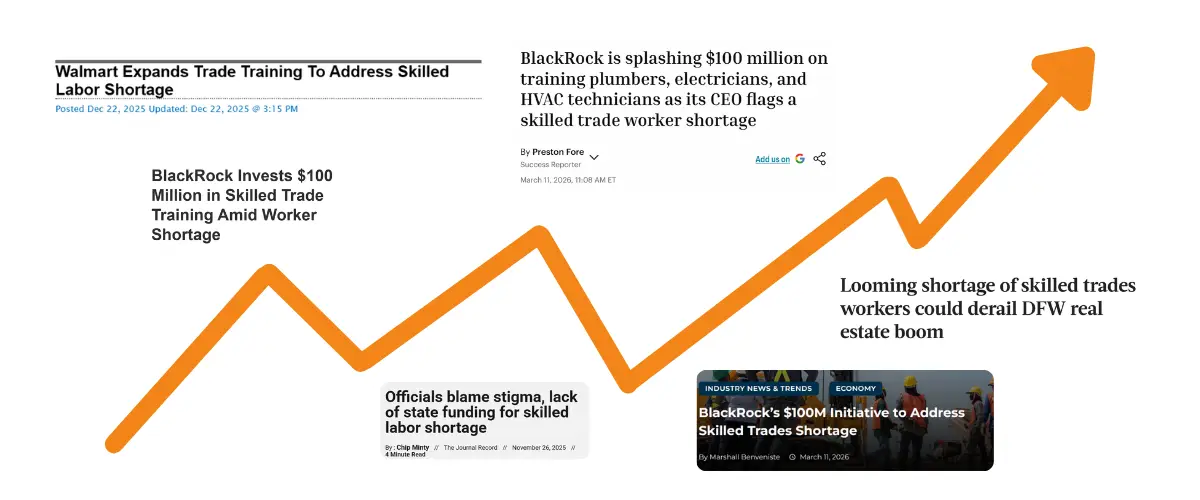
Demand for commercial HVAC installer jobs continues to grow due to several factors.
Modern buildings are becoming more complex and require advanced HVAC systems for efficiency and comfort.
At the same time, businesses are under pressure to reduce energy consumption, increasing demand for high-performance systems.
There is also a growing skills gap due to experienced professionals retiring, which is creating more opportunities for new entrants.
Commercial HVAC installer roles are expected to remain stable and in demand for the foreseeable future.
Key skills needed for HVAC installer jobs
Success in HVAC installer jobs requires a combination of technical, physical, and soft skills.
Technical skills
A solid understanding of HVAC systems and components is essential. You must be able to read blueprints and technical drawings to execute installations correctly.
Basic electrical knowledge and familiarity with tools and commercial systems are also important.
Physical skills
This is physically demanding work. You may need to lift heavy equipment, work at heights, and complete long shifts, including occasional emergency call-outs.
Soft skills
Problem-solving is critical in commercial environments where systems are often custom designed.
Attention to detail is essential, as small installation errors can lead to inefficiencies or system failures.
Safety awareness is also crucial due to the risks associated with construction sites, heavy equipment, and working at height.
Employers value candidates who can balance technical ability, physical capability, and professional behaviour.
HVAC installer salary: What can you earn?
HVAC installer jobs offer strong earning potential, particularly in the commercial sector.
In the United States, average earnings are around $77,000 per year, although this varies depending on experience, location, and project type.
Overtime opportunities can significantly increase earnings, especially on large commercial projects with tight deadlines.
Some roles also include travel allowances, accommodation, or per diem payments for work in different locations.
Factors that affect HVAC installer pay
Several factors influence salary levels in HVAC installer jobs:
- Experience level: Higher experience typically leads to higher pay
- Certifications: Additional qualifications increase earning potential
- Location: High demand regions often offer better pay
- Type of work: Commercial roles generally pay more than residential roles
- Specialisation: Advanced systems and controls work can increase earnings
HVAC installer vs technician: Key differences
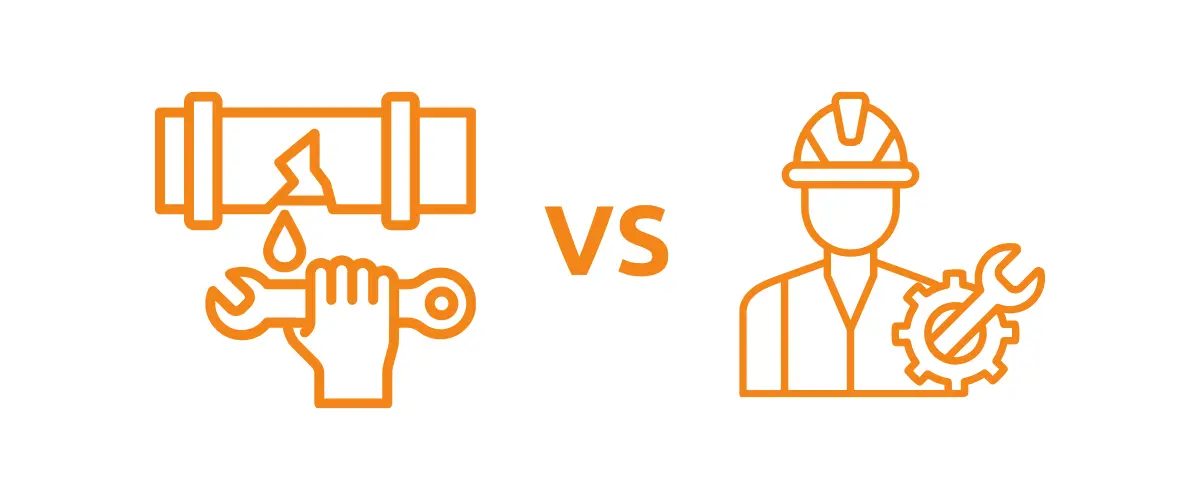
HVAC installers focus on system installation and setup during construction or renovation projects.
Technicians focus more on maintenance, diagnostics, and repair work.
Many professionals start in installer roles before moving into technician positions or specialising further in commercial systems.
Career growth in commercial HVAC
HVAC installation offers long-term career stability and strong progression opportunities.
With experience, you may specialise in niche systems or move into leadership roles such as project management, overseeing installations from planning through to completion.
Some professionals go on to start their own HVAC businesses and take on commercial contracts independently.
How to find commercial HVAC installer jobs
Finding commercial HVAC installer roles requires a targeted approach.
Working with a specialist recruitment partner can provide access to roles that are not publicly advertised and may offer better long-term opportunities.
Job boards and direct applications to contractors are also useful, but tend to be more competitive.
Building relationships within the industry can also lead to referrals and direct opportunities.
When applying, highlight any commercial experience, teamwork on large projects, and familiarity with construction environments.
What employers look for in HVAC installer candidates
Employers value more than just technical ability.
They look for hands-on experience, strong work ethic, reliability, teamwork, communication skills, and a willingness to learn.
Safety awareness is also a key factor in hiring decisions.
Challenges in commercial HVAC installer jobs
Commercial HVAC installation comes with challenges, including complex system designs that require precise execution.
Tight construction schedules can lead to long hours and high pressure environments.
The work can also be physically demanding and involves exposure to outdoor conditions and heavy equipment.
Coordination delays with other trades can also impact timelines, requiring adaptability on site.
Is a career in HVAC installation right for you?
HVAC installer jobs offer stable employment, strong earning potential, and long-term career growth, particularly in commercial environments.
With the right skills and experience, you can build a secure and rewarding career in a high-demand industry.
Employers are actively seeking professionals who can deliver quality work, solve problems, and contribute to complex projects.
Whether you are starting out or progressing in your career, HVAC installation provides a clear path forward.

Articles That May Interest You