

HVAC Installer Jobs: Salary, Skills & How to Get Hired

HVAC installer jobs continue to be one of the most in-demand skilled trades, but commercial jobs in this space stand out for offering higher pay, larger projects, and long-term career growth.
As businesses invest in energy-efficient buildings and advanced climate control systems, the need for skilled installers in commercial environments is rising fast. From office buildings and hospitals to warehouses and retail centers, these systems require precision, expertise, and reliable professionals to install them correctly.
In this guide, you’ll learn everything about HVAC installer jobs, including required skills, salary expectations, and how to land commercial jobs in your area.
What actually are HVAC installer jobs?
HVAC installer jobs involve setting up heating, ventilation, and air conditioning systems in new or existing buildings. Installers are responsible for ensuring systems are correctly installed, connected, and fully operational.
While residential roles focus on homes and small systems, commercial HVAC installer jobs deal with larger, more complex systems used in:
- Office buildings
- Shopping centers
- Hospitals and healthcare facilities
- Industrial sites
- Schools and universities
These projects often require working with advanced equipment and collaborating with engineers, contractors, and project managers.
What does a commercial HVAC installer do?
In commercial HVAC installer jobs, responsibilities go beyond basic installations. These roles require precision, planning, and coordination.
These jobs often involve more than just installing equipment. On large-scale projects, installers may be responsible for coordinating with multiple teams to ensure systems are installed on schedule and meet project specifications.
For example, on a commercial construction site, HVAC installers frequently work alongside electricians, plumbers, and general contractors. This type of work requires strong communication and the ability to follow complex timelines. Installers may also need to adapt to changes in building plans or system requirements, making flexibility an important part of the role.
In addition, commercial projects often involve advanced systems such as variable refrigerant flow (VRF) units or building automation systems. Learning how to install and integrate these technologies can significantly increase your value in the job market.
Typical duties include:
- Installing large-scale HVAC systems and units
- Assembling and installing ductwork and ventilation systems
- Connecting electrical and control systems
- Reading blueprints and mechanical plans
- Working with cranes or heavy equipment for rooftop units
- Testing systems to ensure efficiency and safety
- Ensuring compliance with building codes and regulations
Commercial installers often work on construction sites, meaning teamwork and communication are essential.
Why the demand for commercial HVAC installer jobs is growing
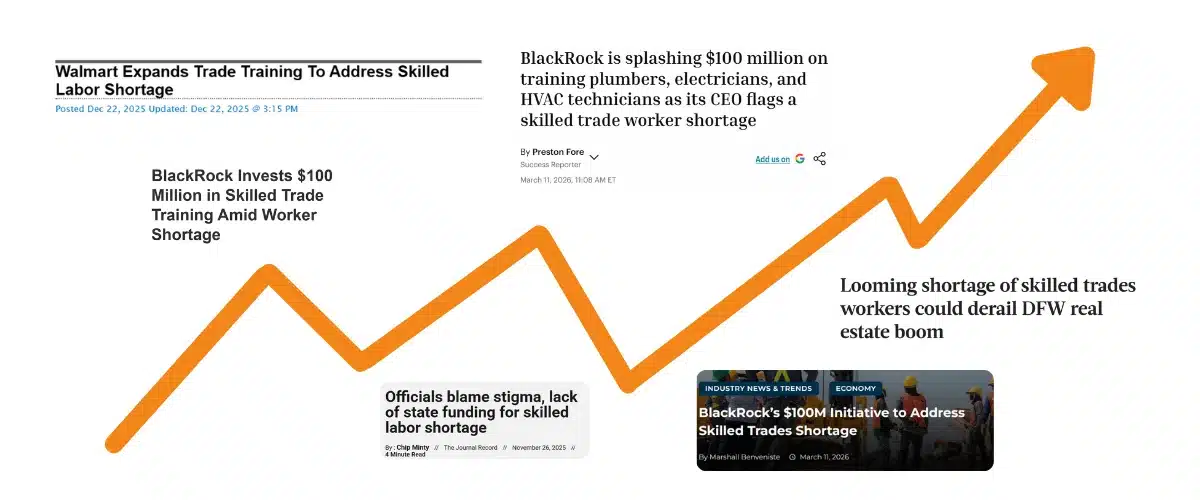
The demand for commercial HVAC installer jobs continues to rise due to several key factors.
Modern buildings are becoming more complex, requiring advanced HVAC systems to maintain comfort and efficiency. At the same time, businesses are under pressure to reduce energy consumption, leading to increased demand for high-performance systems.
Many experienced HVAC professionals are retiring, which is creating a skills gap in the industry. This is opening up more opportunities for new installers to step in and build long-term careers.
As a result, commercial HVAC installer jobs are expected to remain stable and in demand for years to come.
Key skills needed for HVAC installer jobs
To succeed in HVAC installer jobs (especially in commercial settings), you need a strong mix of technical and practical skills.
Technical Skills
- Knowledge of HVAC systems and components
- Ability to read blueprints and technical drawings
- Understanding of electrical systems and controls
- Experience with installation tools and equipment
- Knowledge of commercial-grade systems
Physical Skills
- Ability to lift and handle heavy equipment
- Comfort working at heights or on rooftops
- Stamina for long work hours on job sites
Soft Skills
- Strong attention to detail
- Problem-solving abilities
- Communication and teamwork
- Time management and reliability
Commercial HVAC installer jobs require a deeper level of technical expertise compared to residential roles. Installers must understand how large-scale systems operate as a whole, not just individual components.
This includes knowledge of airflow dynamics, system sizing, and load calculations to ensure that HVAC systems perform efficiently across large spaces. A poorly installed system can lead to uneven temperatures, increased energy costs, and long-term performance issues.
Installers should also be comfortable working with advanced control systems, including thermostats, sensors, and building automation systems. As commercial buildings become smarter, the ability to integrate HVAC systems with digital controls is becoming increasingly valuable.
Additionally, understanding refrigerant handling, pressure levels, and system diagnostics can help installers identify and prevent issues during installation, saving time and reducing costly mistakes.
In commercial HVAC installer jobs, problem-solving becomes even more critical. Unlike residential systems, commercial setups are often customized for each building, meaning installers must think on their feet when challenges arise.
Attention to detail is another key differentiator. Even small installation errors can lead to inefficiencies, higher energy costs, or system failures. Employers value installers who can consistently deliver precise, high-quality work.
It’s also important to understand safety protocols. Commercial job sites come with higher risks, including working at heights, handling heavy equipment, and navigating active construction zones. A strong awareness of safety procedures not only protects you but also makes you a more attractive candidate to employers.
Commercial HVAC installer jobs often demand a higher skill level, making these abilities even more important.
HVAC installer salary: What can you earn?
One of the biggest advantages of HVAC installer jobs is the strong earning potential, especially in the commercial sector.
According to Indeed, the average salary for an HVAC installer in the United States is around $77,809. However, commercial HVAC installer jobs typically offer better compensation due to the scale and technical demands of the work.
Another important factor in HVAC installer jobs is the opportunity for overtime and project-based earnings. Commercial projects often operate on tight deadlines, which can lead to extended work hours. This means installers can significantly increase their annual income through overtime pay.
Travel can also play a role in earnings. Some commercial HVAC installer jobs require working on projects in different cities or regions. In these cases, employers may offer travel allowances, accommodation, or per diem payments, further boosting total compensation.
Unionized positions may also offer higher wages and better benefits, including healthcare, retirement plans, and job security. For many professionals, this makes commercial HVAC installer jobs even more appealing as a long-term career choice.
Factors that affect HVAC installer pay
Not all HVAC installer jobs pay the same. Several factors influence earnings:
- Experience level: More experience leads to higher pay
- Certifications: Advanced credentials increase value
- Location: High-demand areas offer better wages
- Type of work: Commercial jobs pay more than residential jobs
- Specialization: Advanced systems or controls increase earning potential
Understanding these factors can help you target higher-paying commercial HVAC installer jobs.
HVAC installer vs technician: Key differences
It’s important to understand how HVAC installer jobs compare to technician roles.
HVAC Installers:
- Focus on installing systems
- Work on construction or upgrade projects
- Handle setup and initial testing
HVAC Technicians:
- Focus on maintenance and repairs
- Diagnose system issues
- Perform routine servicing
Many candidates start in HVAC installer jobs and later transition into technician roles or specialize in commercial systems.
Career growth in commercial HVAC
Commercial HVAC installer jobs offer excellent long-term career opportunities.
You can progress into roles such as:
- Senior HVAC installer
- HVAC technician or specialist
- Project supervisor or site manager
- HVAC system designer
- Business owner or contractor
With experience and certifications, commercial HVAC professionals can build highly lucrative careers.
As you gain experience in commercial HVAC installer jobs, you may also have the opportunity to specialize in niche areas. These include system design, energy efficiency optimization, and building automation systems.
Specialization can significantly increase your earning potential and open doors to leadership roles. Many experienced installers move into project management positions, where they oversee entire HVAC installations from planning to completion.
Others may choose to start their own HVAC businesses, taking on commercial contracts and building long-term client relationships.
How to find commercial HVAC installer jobs
If you’re targeting commercial HVAC installer jobs, having the right job search strategy can make all the difference, especially when it comes to finding consistent, high-quality opportunities.
One of the most effective ways to get started is by working with a specialist recruitment partner. We connect skilled HVAC professionals with commercial projects, helping you access roles that aren’t always advertised publicly. This can give you a significant advantage, particularly when looking for higher-paying or long-term placements.
While there are other ways to find work, such as browsing job boards or applying directly to commercial contractors, these options can often be more competitive and time-consuming. Searching for terms like “commercial HVAC installer jobs” or “HVAC installer jobs near me” can still be useful, but many of the best roles are filled through industry connections and recruitment networks.
Apprenticeship programs and trade organizations can also provide a pathway into the industry, especially if you’re just starting. However, once you have some experience, partnering with a recruitment agency can help you progress faster and secure better opportunities.
Building connections within the industry (whether with contractors, engineers, or project managers) can also open doors over time. When searching for commercial HVAC installer jobs, it’s important to go beyond simple job applications. Many of the best opportunities are filled through referrals or direct outreach.
Start by identifying local commercial contractors and HVAC companies that specialize in large projects. Visiting company websites, reaching out directly, or even applying in person can give you an advantage over other candidates.
You should also tailor your applications to highlight any experience with commercial systems, construction environments, or teamwork on large projects. Employers want to see that you understand the demands of commercial HVAC work.
Additionally, consider setting up job alerts on major platforms so you can apply as soon as new positions are posted. Acting quickly can make a big difference in competitive job markets.
Learn more about the different types of HVAC jobs in our detailed article covering this, salaries, requirements, and more.
Tips to get hired faster
Landing HVAC installer jobs (especially commercial ones) requires more than just applying. Here’s how to stand out:
- Get certified early
- Gain hands-on experience through apprenticeships
- Focus on commercial system knowledge
- Build a strong, skills-based resume
- Apply consistently and follow up with employers
- Show reliability, safety awareness, and willingness to learn
Employers in the HVAC industry value candidates who are dependable and ready for complex work environments.
What employers look for in HVAC installer candidates
Employers hiring for HVAC installer jobs are looking for more than just technical ability. They want candidates who can contribute to projects efficiently and safely.
Some of the top qualities employers look for include:
- Hands-on experience with HVAC systems
- Strong work ethic and reliability
- Ability to work as part of a team
- Knowledge of safety standards
- Willingness to learn and adapt
For commercial HVAC installer jobs, employers often prioritize candidates who have experience working on large-scale projects or in construction environments.
Industries that hire commercial HVAC installers
Commercial HVAC installer jobs are available across a wide range of industries, each offering different types of projects and work environments.
Some of the most common industries include:
- Construction: New commercial buildings require a full HVAC system installation from the ground up
- Healthcare: Hospitals and clinics need highly controlled climate systems
- Retail: Shopping centers and stores rely on efficient HVAC systems for customer comfort
- Industrial facilities: Warehouses and factories require large-scale ventilation and cooling systems
- Education: Schools and universities need reliable heating and cooling across large campuses
Working across different industries can help you gain diverse experience and increase your earning potential over time.
Commercial HVAC installer jobs often take place in active construction environments, which can be fast-paced and physically demanding. Installers may work indoors or outdoors depending on the stage of the project.
Job sites can include:
- High-rise office buildings
- Hospitals and healthcare facilities
- Industrial plants and warehouses
- Retail centers and malls
Work conditions vary, but installers should expect exposure to noise, dust, and changing weather conditions. Safety gear such as helmets, gloves, and harnesses is often required, especially when working at heights or with heavy equipment.
Understanding the work environment helps set realistic expectations and prepares you for the physical demands of HVAC installer jobs.
Types of commercial HVAC systems installers work with
Commercial HVAC installer jobs involve working with a wide range of systems that are far more complex than residential units. Understanding these systems not only improves job performance but also increases earning potential.
Some of the most common systems include:
- Rooftop Units (RTUs): Widely used in commercial buildings, these systems are installed on rooftops and require careful placement and connection.
- Chillers: Used in large facilities to cool water, which is then circulated through the building.
- Boilers: Provide heating through water or steam systems.
- Variable Refrigerant Flow (VRF) Systems: Advanced systems that allow precise temperature control across different zones.
- Split Systems for Commercial Use: Larger-scale versions of residential units.
Experience with these systems is a major advantage when applying for commercial HVAC installer jobs, as employers often prioritize candidates who can handle complex installations.
Tools & equipment used in commercial HVAC installation
Commercial HVAC installer jobs require the use of specialized tools and equipment to handle large and complex systems.
Common tools include:
- Power drills and pipe cutters
- Refrigerant gauges and vacuum pumps
- Sheet metal tools for ductwork
- Electrical testing equipment
- Lifting equipment for heavy units
Familiarity with these tools is essential, as commercial installations often involve working with larger components and more advanced systems than residential jobs.
Challenges in commercial HVAC installer jobs
While HVAC installer jobs can be rewarding, they also come with challenges, especially in commercial settings.
Some common challenges include:
- Complex installations: Commercial systems are often custom-designed and require precise execution
- Tight deadlines: Construction schedules can be demanding, requiring long hours
- Physical demands: Lifting heavy equipment and working in difficult positions
- Weather conditions: Outdoor work can expose installers to extreme temperatures
- Coordination with other trades: Delays from other teams can impact HVAC installation timelines
Being prepared for these challenges can help you succeed and stand out in commercial HVAC installer jobs.
Is a career in HVAC installation right for you?
HVAC installer jobs offer a stable and rewarding career, with commercial HVAC installer jobs providing even greater earning potential, larger projects, and stronger long-term growth.
By developing the right skills and gaining hands-on experience, you can position yourself for success in a growing industry where demand remains high. Employers are actively seeking professionals who can deliver quality work, solve problems, and contribute to complex commercial projects.
Whether you’re just starting or looking to advance, commercial HVAC installation offers a clear path to a secure, well-paying career with plenty of opportunities to grow.