Top HVAC Technician Skills You Need to Succeed

The HVAC industry is evolving; the systems, the tech, and even the expectations. The demand for skilled professionals in the industry continues to grow as well, but technical knowledge alone is no longer enough. Today, you’re expected to combine hands-on expertise with problem-solving, communication, and adaptability.
Being a technician isn’t just about knowing a bunch of technical jargon. It’s also performance-driven.
Understanding the right HVAC technician skills is essential if you’re entering the field or looking to advance. From installing complex systems to diagnosing faults under pressure, success depends on mastering a well-rounded set of abilities.
It’s not only what you know, but how well you can apply it on the job.
Core technical skills every HVAC technician needs
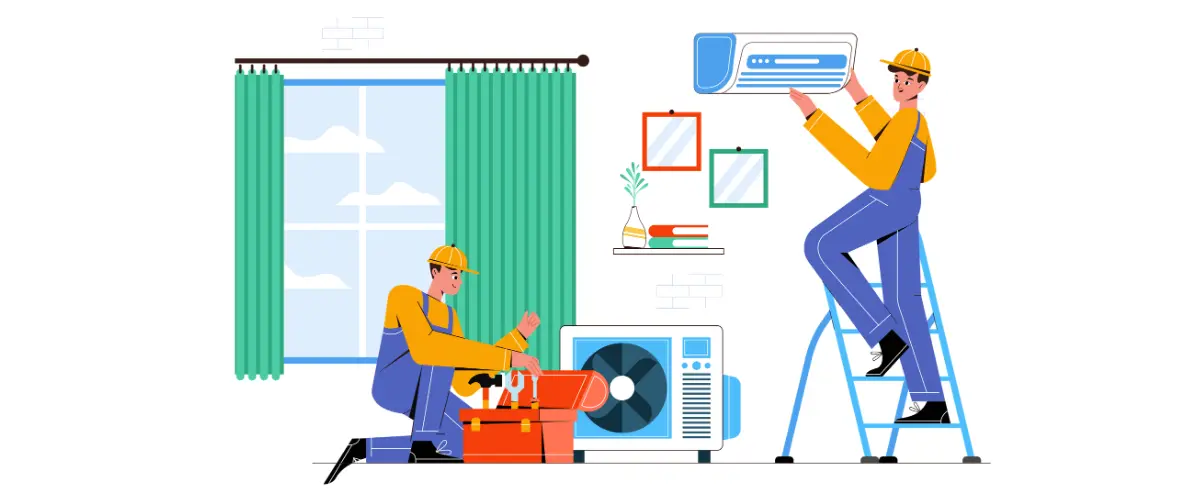
At the heart of the profession are the skills needed to be a HVAC technician; the practical, job-specific capabilities that keep systems running efficiently.
One of the most important is system installation and maintenance. You need to understand how to install heating, ventilation, and air conditioning systems correctly, ensuring long-term performance and safety. This includes working with ductwork, thermostats, and various system components.
Equally critical is electrical knowledge. HVAC systems rely heavily on electrical controls, motors, and wiring. Many professionals have found that being able to read and comprehend schematics and safely troubleshoot electrical issues is a must-have skill in their daily work.
Another key area is refrigeration fundamentals. Since cooling systems depend on refrigerants, you would need to understand how these substances behave, how to detect leaks, and how to handle them safely.
Finally, strong troubleshooting and diagnostic skills are essential. HVAC technicians are often called in when something goes wrong, and we must quickly identify the root cause and fix it efficiently. Finding the root cause instead of just swapping out parts could result in fewer callbacks and satisfied customers.
The soft skills that set top technicians apart
While technical knowledge is crucial, many employers value soft skills just as highly.
Problem-solving ability stands out as one of the most important. HVAC systems can be complex, and no two jobs are the same. You need to be able to think critically and adapt your approach to each situation.
Communication skills are also essential. You regularly interact with clients, so you must be able to explain issues and solutions in a way that’s easy to understand. Explain to them what you’re fixing and why. Be personable and never make a customer feel stupid for the questions they ask or their lack of understanding.
Often, customers decide to use a company repeatedly based on their service experience, not just the repair job. Good communication builds trust and improves customer satisfaction.
Another overlooked skill is adaptability. Technicians may need to work in a wide range of environments (from residential homes to large commercial buildings) and must adjust quickly to different systems and challenges.
Attention to detail is equally important. Even small mistakes during installation or repair can lead to bigger system failures later on.
Want to learn about HVAC, more generally? Then read our comprehensive article on salaries, jobs, and more.
Real-world skills HVAC technicians learn on the job
From discussions I have had, experienced technicians emphasize that HVAC work pulls from multiple disciplines, including electrical systems, plumbing, and even basic physics.
An important reality is that becoming a skilled HVAC technician takes time and hands-on experience. Learning how systems behave under real conditions is just as valuable as classroom knowledge.
Continuous learning is just as important, especially as HVAC technologies and system designs continue to evolve.
Modern skills for a changing HVAC industry
As technology advances, HVAC systems are becoming more sophisticated. This means technicians need to go beyond traditional skills.
Knowledge of building automation systems (BAS) and smart controls is increasingly valuable, especially in commercial settings where systems are digitally managed.
There is also a growing emphasis on energy efficiency and sustainability. Technicians who understand how to optimize systems for lower energy consumption are in high demand.
Basic digital and computer skills are now part of the job as well. Many technicians use mobile apps, diagnostic software, and digital tools to monitor and repair systems.
What sets great HVAC technicians apart
Mastering the right HVAC technician skills goes beyond ticking boxes on a checklist. The best specialists have learnt to combine technical expertise with strong communication, adaptability, and a willingness to keep learning.
HVAC systems continue to evolve; those who develop both traditional and modern skills will stand out in a competitive job market and build long-term, successful careers in the industry.
Top techs stay ahead of the game when it comes to new systems and technology.
Through continuous improvement on these skills and staying up to date with industry advancements, you can expect to increase job opportunities, deliver better service, and build a more stable, long-term career.
Although at the end of the day, the best HVAC techs aren’t just skilled; they are those who are dependable, efficient, and trusted.